Media Examples
This page provides curated examples of real influencer content from TikTok, YouTube, Instagram, and X (Twitter) that demonstrate how political messaging, misinformation, and emotional persuasion spread across platforms. Each example includes a brief explanation connecting the media to academic research used in this project. These examples illustrate how digital creators blend entertainment, visual design, and emotional framing to shape public opinion.
1. TikTok Political Influence Through Humor and Trends
Description:
TikTok creators often use trending sounds, humor, memes, or lip-sync formats to disguise political messaging inside entertainment. According to Sánchez-Querubín et al. (2023), political TikTok relies heavily on performance, aesthetics, and remix culture, which makes political content feel effortless and engaging.
(2025). Youtu.be. https://youtu.be/Jd_eTYP8E5A
Why it matters:
Humor lowers the viewer’s defenses, allowing political messages to bypass critical thinking. Once viewers share or remix the video, the message spreads quickly through algorithmic amplification.
2. YouTube Political Commentary and Algorithmic Boosting
Description:
Long-form political commentary videos dominate YouTube’s recommendations. These creators often frame events with emotional language, dramatic titles, and reaction-style thumbnails. Kaur and Gupta (2023) note that false or sensational content spreads faster than verified information because algorithms prioritize engagement.
(2025). Youtu.be. https://youtu.be/n9ZzAj5PKXM
Why it matters:
YouTube’s recommendation engine pushes emotionally charged content to large audiences, creating radicalization pathways and reinforcing partisan beliefs.
3. Instagram Infographics and Aesthetic Misinformation
Description:
Instagram activists frequently create visually appealing infographics, slideshows, and minimalist designs to present political narratives. These posts simplify complex issues into short, bold statements that feel educational but are often oversimplified or misleading.
Ku et al. (2026) explain that when users lack motivation to think critically, simple visual cues can strongly influence judgment.
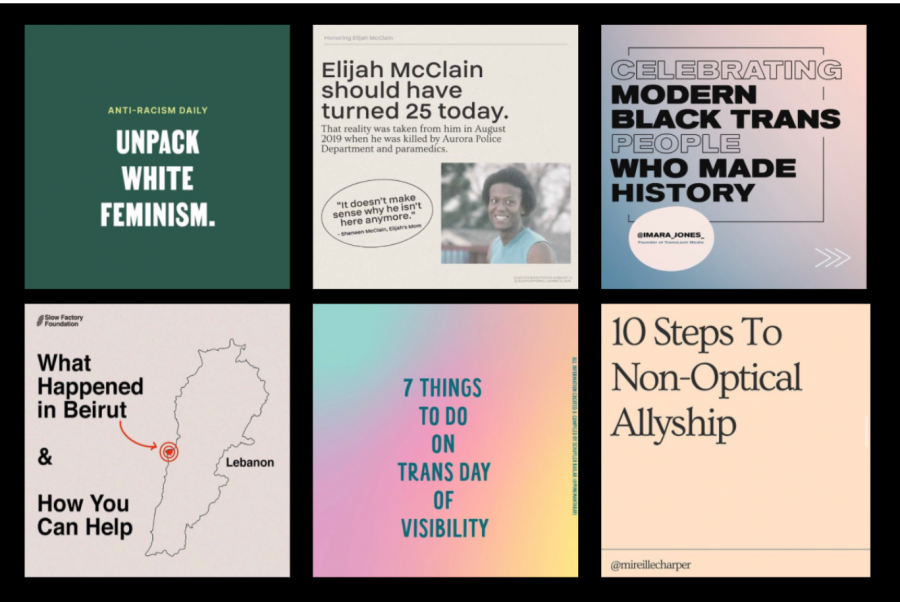
Nguyen, T. (2020, August 12). PowerPoint activism is taking over your friends’ Instagram accounts. Vox. https://www.vox.com/the-goods/21359098/social-justice-slideshows-instagram-activism
Why it matters:
The aesthetic makes the content look trustworthy, which increases engagement and sharing even when the information is not verified.
4. X (Twitter) Viral Political Threads and Outrage Messaging
Description:
Political influencers on X often use viral threads to make emotional claims, spread outrage, or push specific narratives. Because X prioritizes fast, reaction-driven content, emotionally provocative posts rise quickly.
Numerous social media videos claiming to be about the Texas flash floods misrepresented footage from previous natural disasters. https://mvau.lt/media/00a8dcdf-91c0-4cb3-9adb-0941e1516c0c (Source: https://www.instagram.com/reel/DLtExpdSG4B/?igsh=OGl0eWhyc2lmcHhp)

Search and rescue teams from Kerrville Fire Department walk past debris after flooding near the banks of the Guadalupe River in Kerrville, Texas on Tuesday, July 8, 2025. (AP)
Why it matters:
Short-form emotional messaging influences attitudes more than long-form policy discussion. Outrage-driven posts are retweeted widely even when they are misleading.
5. Meme-Based Political Messaging Across Platforms
Description:
Memes are one of the most effective vehicles for political influence. They communicate ideas quickly, rely on shared cultural knowledge, and evoke strong emotions like anger, humor, or cynicism.
According to Ku et al. (2026), quick, intuitive processing makes users more likely to believe or share content without deep evaluation.
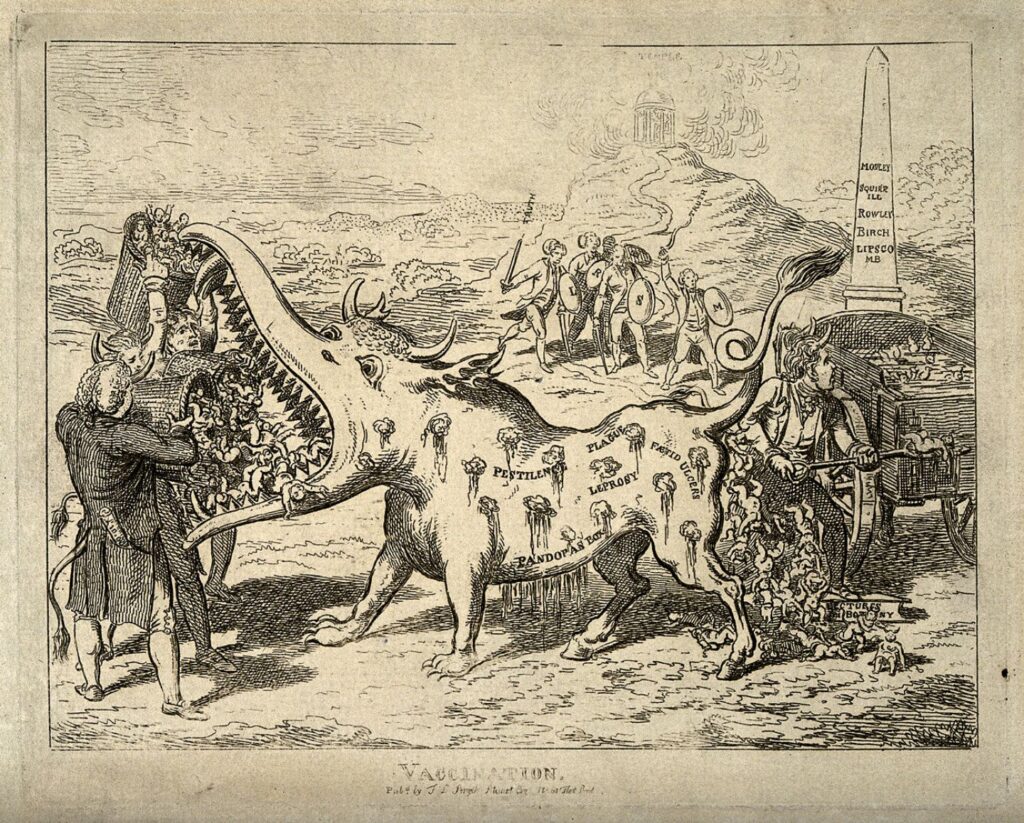
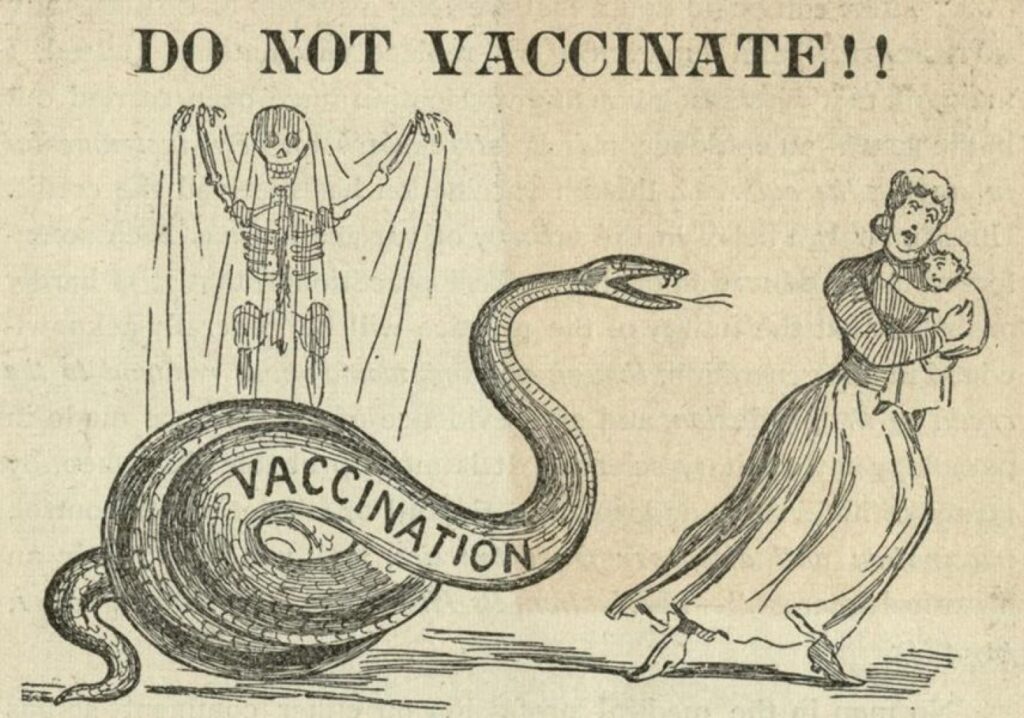
Source: City St George’s, University of London. (2025). How Memes Transformed from Pics of Cute Cats to Health Disinformation Super-Spreaders. https://www.citystgeorges.ac.uk/news-and-events/news/2024/february/memes-and-disinformation
Why it matters:
Memes spread extremely fast, crossing from TikTok to Instagram to Reddit to X. The repetition makes the narrative feel widely accepted.
6. Fringe Narratives Migrating Into Mainstream Spaces
Description:
Misinformation often begins in fringe spaces like 4chan, Telegram, or niche YouTube channels, then spreads into mainstream platforms. Kaur and Gupta (2023) identified this migration as a key factor behind how unverified claims become normalized.
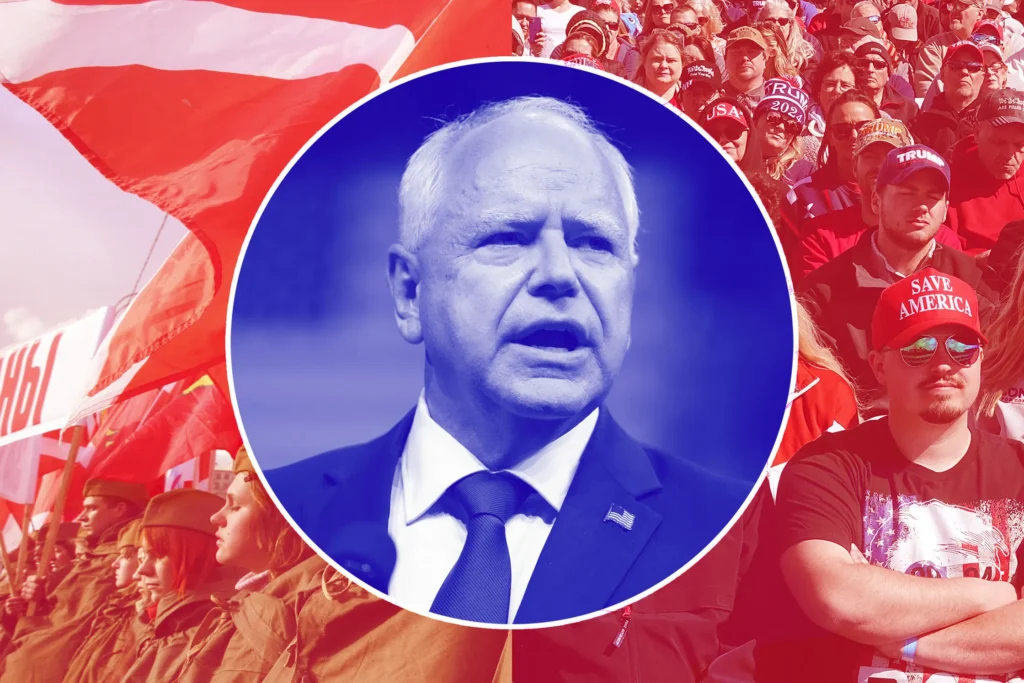
Source: Photo Illustration: WIRED Staff; Getty Images (2024)
Gilbert, D. (2024, October 21). Russian Propaganda Unit Appears to Be Behind Spread of False Tim Walz Sexual Abuse Claims. WIRED. https://www.wired.com/story/russian-propaganda-unit-storm-1516-false-tim-walz-sexual-abuse-claims/
Why it matters:
Even users who avoid fringe communities still encounter these narratives once they enter mainstream feeds, reinforcing false beliefs.
7. Health Misinformation Influencers
Description:
Health-related misinformation follows the same algorithmic and emotional patterns as political misinformation. Khullar (2025) notes that a small number of influencers known as the “disinformation dozen” drove the majority of antivaccine misinformation online.
(2025). Youtu.be. https://youtu.be/YxCqKZuJWoY
Why it matters:
Health misinformation becomes political misinformation when it enters debates about policy, public health, and government trust.
Conclusion
These examples show how influencers use visuals, emotional tone, engaging formats, and platform-specific strategies to shape the beliefs of millions of users. Whether through humor, aesthetics, long-form commentary, or memetic storytelling, influencers bypass traditional gatekeepers and reach audiences directly. Combined with algorithmic amplification, this content becomes a powerful tool for manipulating public opinion.